Stain Removal in Everyday Life: Practical Methods for Clothes, Upholstery, and Hard Surfaces
Stain removal is one of those household tasks that everyone faces sooner or later. Whether it is a coffee spill on a shirt, grease on a kitchen counter, mud on a carpet, or ink on upholstery, stains can quickly change the look and feel of a space or garment. The good news is that effective stain removal does not always require harsh chemicals or expensive specialty products. With the right approach, you can tackle many common stains efficiently, protect your belongings, and keep fabrics and surfaces looking fresh for longer.
Understanding stain removal begins with knowing what causes a stain to set, how different materials react to cleaning, and which products are safe to use. Some stains are water-based, while others contain oil, protein, dye, or tannins. Each type responds differently to treatment, which is why a one-size-fits-all method rarely works. In this article, we will explore proven stain removal techniques, practical tips, and smart prevention habits that can make cleaning simpler and more successful.
For homeowners, renters, parents, pet owners, and busy professionals, stain removal is not just about appearance. It also helps extend the life of clothing, furniture, flooring, and upholstery. By learning a few core principles, you can save time, reduce waste, and handle messes with confidence. If you have ever wondered how to remove stubborn stains without damaging materials, this article will give you clear, actionable answers.
Why Stain Removal Matters for Homes and Everyday Spaces
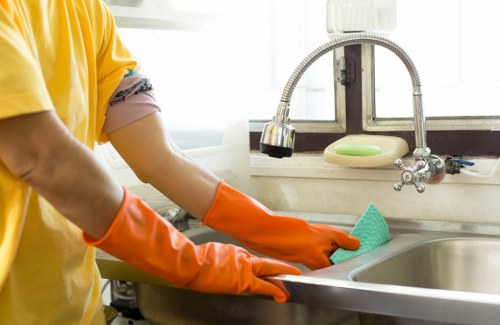
Stain removal is more than a cosmetic task. Left untreated, a stain can become permanent, spread deeper into fibers, or create odors that are harder to remove later. On fabrics, a fresh mark may seem small at first, but once it dries or is exposed to heat, the stain can bond with the material. On hard surfaces, stains can discolor finishes and make areas look dull or neglected.
Regular stain removal also supports hygiene. Food spills, pet accidents, and drink stains can attract bacteria or leave residues that become sticky over time. In high-traffic areas, prompt cleaning helps maintain a cleaner and healthier environment. This is especially important in kitchens, bathrooms, dining areas, and places where children and pets spend time.
Another reason stain removal matters is cost savings. Replacing clothing, rugs, or furniture because of avoidable stains can be expensive. A smart cleaning routine, paired with the right stain removal methods, helps preserve the items you already own. Small action early often prevents a bigger problem later.
How Stains Form and Why Some Are Harder to Remove
Not all stains are created equal. A stain is typically a substance that penetrates a surface and bonds with it. Some stains sit on top of fibers or coatings, while others sink deeper and become more difficult to treat. The composition of the stain matters just as much as the material it lands on.
Water-based stains like juice, soda, tea, and many sauces often respond well to blotting and gentle cleaning solutions. Oil-based stains from cooking grease, makeup, lotion, or salad dressing can be more stubborn because oil repels water. Protein stains such as blood, dairy, eggs, or sweat require careful treatment, since heat can make them set permanently. Dye stains from ink, marker, wine, or colored drinks may spread quickly and need targeted stain removal products.
Surface type is equally important. Delicate fabrics, wool, silk, suede, natural stone, wood, and certain synthetics can react badly to aggressive scrubbing or strong cleaners. That is why stain removal should always begin with identifying both the stain and the surface. If you match the method to the material, your chances of success rise significantly.
Basic Stain Removal Rules You Should Always Follow

Before trying any stain removal technique, it helps to follow a few universal rules. These simple steps can prevent a stain from becoming worse and protect the material you are cleaning. First, act quickly. Fresh stains are much easier to remove than dried ones because they have not fully bonded with the surface.
Second, blot instead of rubbing. Rubbing pushes the stain deeper and may damage fibers or spread the mark over a larger area. Use a clean cloth, paper towel, or sponge to gently absorb as much of the spill as possible. Third, always test any cleaner in a hidden area first. This is especially important for upholstery, carpets, delicate fabrics, and colored materials.
Fourth, avoid heat until the stain is gone. Hot water, irons, dryers, and heat settings can set many stains permanently. Fifth, use the least aggressive method first. Start with water or a mild solution before moving to stronger stain removal products. This saves time, protects materials, and reduces the risk of discoloration.
Stain Removal for Clothing and Laundry
Clothing stains are among the most common household issues, and they also offer some of the best opportunities for successful stain removal. Shirts, pants, uniforms, and bedding can often be saved if treated promptly. The approach depends on the stain type, fabric, and whether the item is machine washable.
For food and drink stains, rinse the back of the fabric with cold water first. This helps push the stain out instead of deeper into the fibers. Apply a small amount of liquid detergent or a pre-treatment spray and let it sit briefly before washing. For oil stains, sprinkle an absorbent powder such as baking soda or cornstarch over the area first, then brush it away and treat with detergent.
Protein stains need cold water and patience. Blood, sweat, and dairy stains should never be treated with hot water initially. Instead, rinse gently, apply a mild detergent, and wash on the appropriate cycle. For ink, dabbing with rubbing alcohol on a cotton ball can help lift pigment, but always test first and avoid saturating the fabric. Effective stain removal often depends on using the right temperature and the right chemistry.
It also helps to know which fabrics need extra care. Cotton and polyester are generally forgiving, while wool, silk, rayon, and linen may require gentle handling or professional attention. If a garment is labeled dry-clean only, avoid experimental cleaning methods. The safest stain removal strategy for delicate items is usually immediate blotting and expert consultation.
Common Clothing Stains and Fast Responses
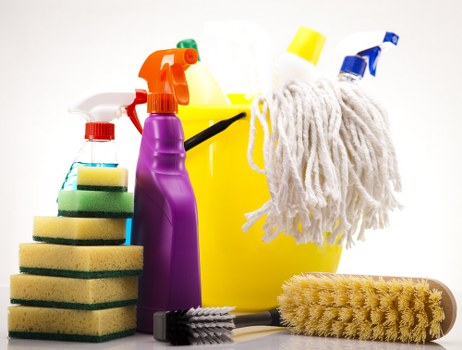
Some stains appear again and again, which makes it useful to memorize a few quick responses. Coffee and tea stains usually benefit from rinsing with cold water and applying detergent before washing. Wine stains often respond to blotting and salt or baking soda as a temporary absorbent, followed by a proper wash. Grass stains may need a stain remover with enzymes to break down plant pigments and proteins.
Makeup stains, especially foundation and lipstick, often contain oil. A small amount of dish soap can help break down the grease before laundering. Sweat stains can leave yellow marks under the arms, especially on white shirts. A mixture of oxygen-based cleaner and water may help lift the discoloration, but test carefully on colored garments. For mud, let it dry first, brush off loose debris, and then wash the fabric.
Tip: If you are unsure about a stain, identify whether it is oily, watery, or protein-based. That simple step often determines the best stain removal method. When in doubt, avoid heat and keep the fabric moist until you can treat it properly.
Stain Removal on Carpets and Rugs
Carpets and rugs require special attention because spills can sink below the surface quickly. Good stain removal on these materials depends on speed, minimal moisture, and the right tools. Over-wetting a carpet can damage the backing or encourage mold, so use only the amount of solution needed.
Start by blotting the spill from the outside inward to prevent spreading. For many stains, a simple mix of warm water and mild dish soap works well. Apply the solution sparingly, blot again, and repeat until the stain fades. Then rinse lightly with clean water and blot dry with towels. A fan can speed up drying and reduce lingering odors.
For tougher carpet stains, such as wine, pet accidents, or grease, enzyme cleaners can be especially helpful. These products break down organic matter and reduce odor as well as visible marks. For gum or wax, allow the material to harden first, gently remove excess, and use a safe solvent if appropriate for the carpet fiber. Successful stain removal on rugs often depends on working patiently and avoiding aggressive scrubbing.
Natural fiber rugs, wool carpets, and antique textiles should be treated with extra caution. Some cleaners can fade dyes or cause shrinkage. If a rug is valuable or handmade, the best stain removal approach may be professional care rather than home treatment. Still, quick blotting and prompt action can reduce damage before expert cleaning.
Upholstery Stain Removal for Sofas, Chairs, and Cushions
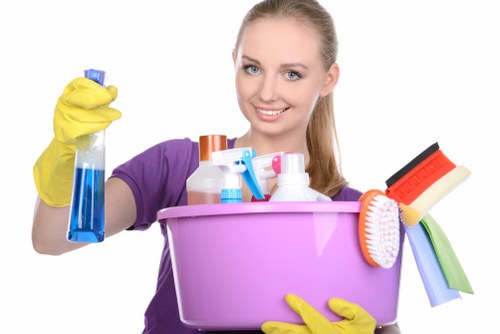
Upholstery stain removal is similar to carpet cleaning in some ways, but furniture fabrics often include special finishes, foam padding, and color treatments that need careful handling. Always check the manufacturer’s cleaning code if one is available. Codes such as W, S, WS, or X indicate whether water-based cleaners, solvents, or professional-only methods should be used.
For water-safe upholstery, blot the spill immediately and use a small amount of mild detergent diluted in water. Work gently and do not soak the cushion. For grease stains, a little dish soap can help cut through oil, but remove residue carefully so it does not attract dirt later. For pet accidents, enzyme-based stain removal products are often the most effective because they help break down odor-causing compounds.
Always dry upholstery thoroughly after cleaning. Hidden moisture can lead to mildew or unpleasant smells. Open windows, use fans, and allow airflow around the item. If the stain is deep or the fabric is sensitive, a professional upholstery cleaner may be the safest option. Even so, good stain removal habits at the first moment of a spill can dramatically improve the final result.
Hard Surface Stain Removal in Kitchens and Bathrooms
Hard surfaces like counters, sinks, tile, and appliances may seem easier to clean, but stain removal still requires the correct method. Some stains sit on the surface, while others leave mineral deposits, grease, or discoloration behind. A gentle but targeted approach is usually best.
In kitchens, grease and sauce stains are common. Warm water, dish soap, and a microfiber cloth can handle many of them. For stubborn buildup near stovetops or cabinets, a degreasing cleaner may be needed. In bathrooms, soap scum, hard-water marks, and cosmetic stains can appear on sinks, tubs, and countertops. A non-abrasive cleaner helps lift these marks without scratching the finish.
Natural stone such as granite, marble, and limestone requires special caution. Acidic products like vinegar and lemon can damage these materials, even if they seem helpful for stain removal on other surfaces. Use pH-neutral cleaners whenever possible. On sealed surfaces, regular maintenance prevents stains from penetrating the finish, making cleanup much easier.
Best Practices for Hard Surface Cleaning
- Blot spills immediately instead of letting them dry.
- Use non-abrasive cloths to avoid scratching.
- Choose cleaners suited to the exact material.
- Rinse residue to prevent streaks or buildup.
- Dry surfaces after stain removal to reduce spotting.
Following these steps can make stain removal faster and safer in kitchens, bathrooms, laundry rooms, and entryways. The goal is not just to remove the visible mark, but also to preserve the finish and keep the surface easy to maintain in the future.
Eco-Friendly Stain Removal Options That Work
Many people prefer stain removal methods that are effective but gentler on fabrics, surfaces, and the environment. Several common household items can help when used correctly. Baking soda is useful as a mild abrasive and odor absorber. White vinegar can help with some mineral-based stains and odors, though it should not be used on natural stone. Dish soap is excellent for breaking down grease, and hydrogen peroxide may help with certain organic stains on light-colored items.
Eco-friendly stain removal works best when paired with smart technique. A gentle solution applied early is often more effective than a harsh chemical used too late. Enzyme cleaners are another strong option because they target organic stains without relying on strong bleach. These are especially helpful for pet messes, food stains, and body fluids.
Important: Natural does not always mean safe for every material. Even simple ingredients can damage delicate fabrics or surfaces if misused. Always test first, use the smallest effective amount, and rinse thoroughly after stain removal. That balance gives you cleaner results with less risk.
Stubborn Stains and When to Seek Professional Help
Some stains resist home treatment because they are old, deeply set, or made from complex substances such as dye, grease, ink, or rust. In these cases, repeated aggressive cleaning can make matters worse. When stain removal does not improve after a careful first attempt, it may be time to pause and reassess the material and stain type.
Professional cleaning is often worth considering for expensive clothing, antique rugs, designer upholstery, leather, and sensitive natural fibers. Experts have access to specialized equipment and chemical treatments that are not commonly available for home use. They can often complete stain removal without damaging the item.
If you decide to keep trying at home, let the item dry fully between methods and avoid mixing chemicals. Combining products can create harmful fumes or damage surfaces. The best stain removal strategy is one that is safe, deliberate, and matched to the item’s value and vulnerability.
Preventing Stains Before They Happen
Prevention is one of the smartest parts of stain removal because it reduces the number of emergencies you need to manage. Simple habits can make a big difference over time. Using coasters, placemats, and protective fabric sprays can help shield items from daily wear. In kitchens, cleaning spills as soon as they happen prevents stains from becoming embedded. In closets and laundry rooms, sorting garments carefully can stop dyes from bleeding onto other fabrics.
For homes with children or pets, having a small stain removal kit ready can be very useful. That kit might include clean cloths, paper towels, mild dish soap, an enzyme cleaner, a soft brush, and an absorbent powder. Keeping these items on hand makes it easier to respond quickly and calmly.
Regular maintenance also helps. Vacuuming carpets, washing linens, and wiping hard surfaces keep stains from building up. With a little preparation, stain removal becomes less stressful and more effective. Prevention and prompt action are the strongest pair.
Building a Simple Stain Removal Routine
A reliable stain removal routine does not need to be complicated. In fact, a few repeatable steps can handle most everyday messes. First, identify the stain as soon as possible. Second, determine the material affected. Third, choose the mildest safe treatment. Fourth, blot, rinse, or wash as appropriate. Fifth, check the result before applying heat or putting the item back into use.
This process works for clothing, carpets, upholstery, and hard surfaces because it encourages careful observation and avoids rushed mistakes. Over time, you will become better at recognizing which stains need water, detergent, enzyme cleaners, or professional attention. That confidence is one of the biggest benefits of learning stain removal properly.
Remember that consistency matters. Even simple habits, when repeated, can save clothing, preserve furniture, and maintain cleaner rooms. If you are dealing with frequent spills or persistent marks, contact us today for support, or book your service now if you want expert help with difficult stain removal needs.
Final Thoughts on Stain Removal
Stain removal is a practical skill that can make a noticeable difference in daily life. From clothing and upholstery to carpets and hard surfaces, the right method can restore appearance, protect materials, and reduce frustration. The key is to understand the stain, act quickly, and choose the safest effective treatment. With a little knowledge and preparation, many stains can be handled successfully at home.
Whether you are dealing with coffee on a shirt, grease on a couch, or sauce on a countertop, remember that stain removal works best when you stay calm and methodical. Use the right tools, avoid heat too soon, and test products before applying them widely. If a stain is too stubborn or the item too valuable, professional help may be the smartest choice. For ongoing cleaning needs and expert stain removal support, book your service now and take the stress out of everyday spills.