Rug Cleaning in Modern Homes: Methods, Benefits, and Smart Care Tips
Rugs do far more than cover a floor. They add warmth, define spaces, reduce noise, and bring personality into a room. But with daily foot traffic, spills, pet hair, dust, and allergens, even the best-looking rug can start to lose its charm. That is why rug cleaning matters so much for households, offices, rental properties, and hospitality spaces. Whether you own a delicate wool area rug or a durable synthetic runner, regular rug cleaning helps preserve beauty, comfort, and hygiene.
If you have ever searched for rug cleaning because a rug looks dull, smells stale, or has taken on stubborn stains, you are not alone. Many people underestimate how much dirt settles deep into rug fibers over time. Vacuuming helps, but it does not always reach embedded debris, oils, or bacteria. Professional rug cleaning and proper at-home maintenance can make a major difference in appearance, air quality, and the lifespan of your investment.
In this article, you will learn practical rug care strategies, what affects the cleaning process, how to treat common stains, and when to choose professional rug cleaning for the best results. You will also discover why different materials need different treatment methods and how to keep your rugs looking fresh for longer.
Why Rug Cleaning Matters for Every Home
Rug cleaning is not just about making a rug look nice for guests. It is about maintaining a healthier indoor environment and protecting materials that can be expensive to replace. Rugs naturally collect dust, crumbs, pet dander, pollen, and other particles that settle into the pile. Over time, those particles can become trapped and contribute to odors and allergies.
A clean rug can improve the overall feel of a room. It looks brighter, feels softer underfoot, and supports a more polished interior. For families with children or pets, regular rug cleaning is even more important because spills, muddy paws, and everyday messes can quickly build up. When cleaned correctly, a rug can remain a centerpiece in your space rather than becoming an overlooked source of grime.
Strong maintenance habits also protect the structure of the rug itself. Dirt behaves like tiny abrasives. Each step across a dirty rug can grind particles deeper into the fibers, causing premature wear. That means routine rug cleaning is not only a cosmetic choice; it is a practical one that helps extend the life of your rug and preserve its value.
Key benefits of regular rug cleaning
- Reduces trapped dust, pollen, and allergens
- Improves indoor air freshness
- Removes odors caused by spills, pets, and moisture
- Helps preserve color, texture, and softness
- Extends the lifespan of decorative and functional rugs
Understanding Different Rug Materials
Before choosing a cleaning method, it is essential to understand what your rug is made of. Rug cleaning is never one-size-fits-all because materials react differently to water, heat, detergents, and agitation. A technique that works well for one rug may damage another.
Wool rugs are popular because they are resilient, naturally stain-resistant, and luxurious underfoot. However, they require careful handling to avoid shrinkage or fiber distortion. Cotton rugs are often lighter and easier to clean, but they may wear faster if scrubbed too aggressively. Synthetic rugs, such as nylon, polyester, or polypropylene, are usually more forgiving and can tolerate more intensive cleaning methods.
Delicate materials such as silk, viscose, and antique handwoven fibers need special attention. These rugs can lose sheen, bleed color, or become distorted if exposed to improper treatments. That is why professional rug cleaning services often begin with an inspection, fiber testing, and colorfastness checks before any water or solution is applied.
Common rug types and their care needs
- Wool rugs: Gentle cleaning, controlled moisture, and careful drying
- Cotton rugs: Moderate washing with attention to shrinkage
- Synthetic rugs: Flexible cleaning options and faster drying times
- Silk or viscose rugs: Delicate, specialist-only treatment
- Hand-knotted or antique rugs: Expert handling to protect craftsmanship
Signs Your Rug Needs Professional Attention
It is easy to delay rug cleaning because stains and odors can fade into the background. But waiting too long can make the problem harder to fix. Certain warning signs indicate that basic vacuuming is no longer enough and that your rug needs deeper care.
If your rug looks flat, dingy, or uneven in color, embedded dirt may be the cause. A persistent smell, especially after vacuuming, often points to moisture, pet accidents, or hidden bacteria. When fibers feel sticky or greasy, that can indicate residue from cleaning products, spills, or everyday body oils.
Another clear sign is allergy flare-ups. If people in the home notice more sneezing, coughing, or irritation when spending time in the room, the rug could be holding dust and allergens. Professional rug cleaning can help remove the buildup that vacuuming alone leaves behind.
Watch for these warning signs
- Dull or faded appearance
- Lingering odors
- Visible stains that do not lift
- Flattened pile or matted areas
- Allergy symptoms in the room
- Pet accidents or moisture exposure
When these issues appear, a timely cleaning approach can save the rug from permanent damage. Acting early also reduces the chances of deep staining and fiber breakdown.
Popular Rug Cleaning Methods Explained
There are several effective rug cleaning methods, and the best one depends on the rug’s material, condition, and how much soil has built up. Choosing the right approach helps protect the rug while delivering the level of cleanliness you want.
Vacuuming is the first line of defense. Frequent vacuuming removes surface debris before it settles deep into the pile. For high-traffic areas, vacuuming two to three times a week can make a noticeable difference. However, vacuuming alone is not a full solution when it comes to deep rug cleaning.
Spot cleaning is useful for recent spills. The key is to blot, not rub, because rubbing can spread the stain and damage fibers. Depending on the stain type, you may need a mild detergent, a specialized rug solution, or plain water. For larger or older stains, professional rug cleaning is often the safest option.
Common cleaning methods
- Dry cleaning: Uses minimal moisture and is ideal for some delicate rugs
- Steam or hot water extraction: Effective for many durable rugs and deeper soil removal
- Hand washing: Gentle method often used for wool or specialty rugs
- Shampooing: Suitable in certain cases, but must be done carefully to avoid residue
- Encapsulation: Often used in some synthetic rug and carpet applications
Important: Not every method suits every rug. A trusted rug cleaning specialist will select the technique that matches the fiber, dyes, backing, and overall condition.
How to Treat Common Rug Stains
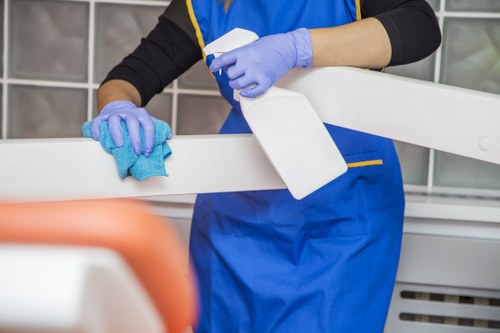
Spills happen, and the speed of your response often determines whether a stain becomes permanent. Rug cleaning for stains should always begin as soon as possible. The longer a stain sits, the deeper it penetrates into the fibers and backing.
For liquid spills like coffee, juice, or wine, blot the area gently with a clean white cloth. Work from the outside of the stain toward the center to prevent spreading. Use a small amount of water or a safe rug-cleaning solution, then blot again. Avoid over-wetting the area, especially with natural fibers.
For oil-based stains such as makeup, cooking grease, or lotion, a dry absorbent material may help lift the residue before applying any liquid treatment. Pet stains require both stain removal and odor treatment because urine can soak beneath the surface. In those cases, surface cleaning alone is often insufficient.
Helpful stain-response tips
- Blot immediately with a clean cloth
- Test any product on a hidden area first
- Use cool water unless the rug manufacturer recommends otherwise
- Avoid harsh scrubbing or bleach-based solutions
- Dry the area thoroughly after treatment
Tip: If a stain keeps reappearing after cleaning, the spill may have reached the rug backing or padding. That is when deep rug cleaning or professional extraction becomes especially important.
DIY Rug Cleaning vs. Professional Rug Cleaning
Many homeowners wonder whether they should clean a rug themselves or hire a professional. The answer depends on the rug, the stain, and the time you have available. DIY rug cleaning can work well for routine upkeep, light spills, and low-risk synthetic rugs. It is cost-effective and convenient for everyday maintenance.
Professional rug cleaning offers a deeper level of care. Specialists use equipment and solutions designed to remove embedded soil, odors, and residues without harming the rug. They can also handle specialty fibers, fragile dyes, and antique pieces more safely than standard household methods. If your rug is large, valuable, or heavily soiled, professional service is often the smarter choice.
The best strategy is usually a combination of both approaches. Regular vacuuming and spot treatment at home help keep the rug in good shape, while periodic deep cleaning restores the fibers and removes the buildup that home tools cannot reach. This balanced method supports both hygiene and preservation.
When to choose each option
- DIY cleaning: Light soil, recent spills, routine maintenance, synthetic materials
- Professional cleaning: Heavy staining, odors, fragile fibers, antique rugs, pet damage
- Combination approach: Ideal for long-term rug care and appearance retention
How Often Should Rug Cleaning Be Done?
The ideal rug cleaning schedule depends on traffic, location, material, and household conditions. A rug in a quiet bedroom may need less attention than one in a busy living room or entryway. Pets, children, and outdoor shoes can all increase how often cleaning is needed.
As a general rule, vacuuming should happen weekly, and more often in high-traffic zones. Spot cleaning should be immediate whenever spills occur. Deep rug cleaning is often recommended every 12 to 18 months for average households, though busy homes may need it more often. Homes with pets, smokers, or allergy concerns may benefit from a shorter interval.
Seasonal cleaning can also be helpful. For example, after winter months, rugs may hold extra dirt, salt, and moisture from shoes. In spring, rugs often benefit from a deeper refresh to remove pollen and dust. Regular scheduling helps prevent buildup before it becomes difficult to remove.
Simple cleaning frequency checklist
- Vacuum weekly or more often in high-traffic areas
- Address spills immediately
- Rotate rugs periodically to distribute wear
- Schedule deep rug cleaning every 12 to 18 months
- Increase frequency for pets, allergies, or heavy use
Rug Cleaning Mistakes to Avoid
Even well-intentioned cleaning efforts can cause problems if the wrong methods are used. One of the biggest mistakes is applying too much water. Over-wetting can lead to long drying times, fiber damage, mildew, and color bleeding. Another common issue is using overly strong chemicals without checking whether they are safe for the rug material.
Scrubbing aggressively is another frequent mistake. It may seem like more pressure will lift the stain faster, but it often pushes the soil deeper and can distort the pile. Using colored cloths or paper towels that shed dye or lint can also create additional cleanup problems.
Avoid these mistakes: using hot water on delicate rugs, skipping a patch test, failing to dry the rug fully, and ignoring manufacturer instructions. When in doubt, a cautious approach is better than a risky shortcut. With rug cleaning, patience usually protects the result.
What not to do
- Do not soak the rug excessively
- Do not use bleach unless the rug specifically allows it
- Do not scrub stains forcefully
- Do not ignore lingering odors
- Do not store a damp rug
Drying, Deodorizing, and Protecting Your Rug
After cleaning, drying is just as important as washing. If moisture remains trapped in the fibers or backing, it can lead to odor, mildew, or warping. Air circulation is essential. Whenever possible, place the rug in a well-ventilated area and allow both sides to dry fully.
Deodorizing can help if a rug has absorbed smells from pets, smoke, food, or moisture. However, the best odor control comes from removing the cause rather than masking it. Baking soda may help with some rugs, but it should be used cautiously and vacuumed thoroughly afterward.
To protect your rug after cleaning, consider using furniture pads under heavy pieces to prevent compression marks. Rotate the rug every few months to balance wear and sun exposure. If the rug is in a sunlit room, UV exposure can fade certain dyes over time, so occasional repositioning is helpful.
Protective habits that make a difference
- Dry the rug completely before placing it back in use
- Use rug pads to reduce slipping and friction
- Rotate rugs for even wear
- Keep shoes off in certain indoor zones
- Act quickly on future spills
Choosing a Rug Cleaning Service
When you decide to hire a professional, look for a service that understands material-specific care. Quality rug cleaning is not just about powerful equipment; it is about the ability to inspect fibers, identify dyes, determine the safest process, and deliver consistent results.
Ask whether the cleaner handles handwoven, wool, antique, or specialty rugs. It is also wise to ask about drying methods, stain treatment options, and odor removal techniques. A trustworthy provider should explain the process clearly and recommend a plan based on the rug rather than offering the same treatment for every item.
Reputation, experience, and transparency matter. You want a service that respects the rug’s age, construction, and value. When a rug is treated properly, the results are often noticeable in color, softness, and freshness. That is why careful selection is one of the smartest parts of the rug cleaning process.
Questions to consider before booking
- Do they clean the specific rug material you own?
- Do they offer pickup, inspection, and controlled drying?
- How do they treat pet stains or odor issues?
- What happens if the rug has color sensitivity or delicate fibers?
- Can they explain the process before beginning?
Long-Term Rug Care Habits That Save Time and Money
Good rug care is less about one big cleaning event and more about consistent habits. Small actions make a major difference over time. Vacuuming regularly, responding to spills quickly, and preventing excess dirt from entering the home all reduce the need for intensive cleaning.
Entry mats can trap grit before it reaches the rug. Removing shoes indoors can also significantly reduce soil buildup. For households with pets, grooming animals regularly and keeping paws clean can cut down on hair, dander, and mud. These simple habits reduce the frequency of major rug cleaning and help maintain a fresher appearance throughout the year.
Most importantly, do not wait until a rug looks visibly dirty to take action. By the time soil is obvious, it has often already worked its way deep into the fibers. Routine rug cleaning and preventive maintenance are the most reliable ways to protect both appearance and longevity.
Final Thoughts on Rug Cleaning
Rug cleaning is one of the most valuable maintenance tasks you can do for your home. It supports hygiene, improves indoor air quality, protects materials, and keeps living spaces looking welcoming. Whether you manage a small decorative accent or a large high-traffic area rug, the right cleaning approach can restore comfort and extend its life.
From routine vacuuming to deep professional cleaning, every step contributes to a healthier and more attractive space. Different materials require different care, stains need prompt attention, and drying matters as much as the wash itself. When handled thoughtfully, rug cleaning becomes a simple investment in the long-term beauty of your home.
If your rug is starting to look tired, smell stale, or show signs of wear, now is a great time to act. Book your service now and give your rug the care it needs. Contact us today to get started with expert rug cleaning that helps your space feel cleaner, fresher, and more comfortable.