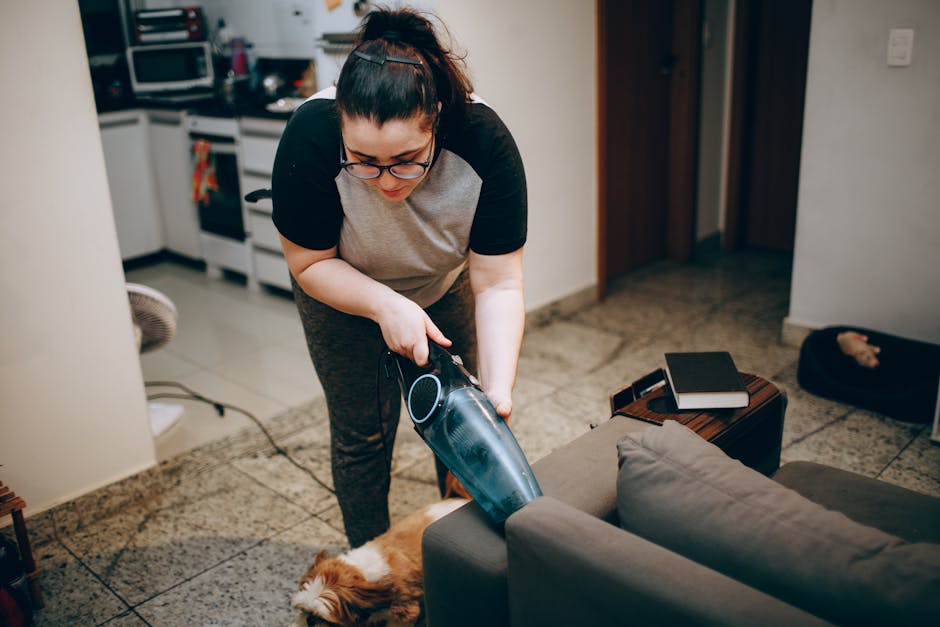
Common problems when booking Hampstead sofa cleaning
Booking a sofa clean should feel straightforward. In reality, plenty of people run into avoidable snags: prices that change halfway through, unclear fabric advice, late arrivals, or a cleaner turning up without the right kit for the job. If you're looking into Common problems when booking Hampstead sofa cleaning, you're probably trying to avoid exactly that sort of headache.
That makes sense. A sofa is one of the most used pieces of furniture in the home, and in a place like Hampstead, where properties range from compact flats to larger family homes, the booking process can be a little more nuanced than it first appears. This article breaks down the most common issues, why they happen, how to prevent them, and what a smooth booking should look like. No fluff. Just the stuff that helps you make a better decision.
One small note before we dive in: a good clean starts long before the machine is switched on. It begins with the questions you ask, the details you share, and the expectations you set.
Table of Contents
- Why these booking problems matter
- How sofa cleaning bookings usually work
- Key benefits of getting the booking right
- Who this is for and when it makes sense
- Step-by-step guidance for a smoother booking
- Expert tips for better results
- Common mistakes to avoid
- Tools, resources and recommendations
- Law, compliance, standards and best practice
- Options, methods and comparison
- Case study or real-world example
- Practical checklist
- Conclusion
- Frequently asked questions
Why Common problems when booking Hampstead sofa cleaning Matters
Let's face it: most booking problems are not dramatic on their own. A slightly vague quote, a missed fabric detail, a scheduling mix-up. Easy to shrug off, right? But together they can turn a simple refresh into a frustrating, expensive experience.
In practical terms, the booking stage affects three things:
- The result - the wrong method or incomplete information can leave stains, marks, or odours behind.
- The cost - unclear quotes are a classic source of awkward surprises.
- Your time - if access, parking, drying expectations, or arrival windows are not discussed properly, the whole day can get thrown off.
In Hampstead, where access can be tight and properties can vary a lot from one street to the next, a cleaner who understands the local logistics is usually easier to work with. If you want to understand what a reputable provider should be able to explain clearly, it can help to look at their public details such as about the company, their insurance and safety information, and how they handle pricing and quotes.
Booking issues also matter because upholstery is not one-size-fits-all. A cotton blend, velvet, linen-look fabric, leather, or synthetic fibre can each behave differently. If the cleaner doesn't ask enough questions before giving a price or booking a slot, that is a warning sign. Not always a disaster. But a warning sign, yes.
Expert summary: The best sofa cleaning bookings are built on clarity. If a provider asks the right questions before confirming the appointment, explains limitations honestly, and sets out expectations for access, drying, and fabric care, you are already ahead.
How Common problems when booking Hampstead sofa cleaning Works
Most sofa cleaning bookings follow a fairly simple pattern. You enquire, describe the item, receive a quote, book a time, and the cleaner arrives to inspect and clean. The problems begin when one of those steps is rushed.
1. Initial enquiry
This is where you should share the basics: sofa type, number of seats, visible stains, pet issues, odours, and any known fabric concerns. A common problem is giving too little detail. People often say, "It just needs a quick freshen up," when in fact the sofa has years of body oils, food marks, pet hair, and a mystery patch on the armrest.
2. Quote stage
Booking problems often begin with unclear pricing. A rough estimate can be useful, but if the cleaner cannot explain what it includes, you may find extras appearing later. Ask whether the quote covers pre-treatment, stain removal attempts, deodorising, and drying guidance. If not, you may need to budget more carefully.
3. Confirmation and scheduling
In busy parts of London, arrival windows matter. The most common frustration here is not necessarily lateness; it is poor communication. If the provider gives a wide window, explains access needs, and confirms parking or entry details, you're in much better shape.
4. On-site inspection
A professional cleaner should inspect the sofa before starting. That check helps identify fibre type, colour fastness concerns, and problem areas. If the cleaner skips inspection and starts immediately, that can lead to unnecessary risk. Especially with delicate upholstery.
5. Cleaning and aftercare
The final step is often overlooked. Drying time, ventilation, and what not to do afterwards all affect the outcome. If you sit on the sofa too soon, open windows at the wrong time, or use the wrong spray after cleaning, it can undo some of the work. Annoying, but common.
If you want to compare sofa cleaning with broader upholstery care, it is worth checking related services such as upholstery cleaning, stain removal, and even pet stain and odour removal where relevant.
Key Benefits and Practical Advantages
Getting the booking process right does more than save you hassle. It improves the quality of the clean and reduces the chances of disappointment later on.
- Better stain treatment - the cleaner arrives prepared for the right type of marks.
- More accurate pricing - fewer surprises on the day.
- Less disruption - better timing, access, and drying advice.
- Improved fabric safety - suitable methods for delicate or mixed fabrics.
- More confidence - you know what is included before anyone starts.
There's also a peace-of-mind benefit that people underestimate. When a booking is handled well, you do not spend the day wondering if the cleaner has the right equipment or if the sofa will be left damp for two days. You just get on with your life. That matters more than people admit.
For households with mixed cleaning needs, it can be helpful to see how sofa care fits alongside curtain cleaning, rug cleaning, or mattress cleaning. Often, the same visit can be planned more efficiently when expectations are clear from the start.
Who This Is For and When It Makes Sense
This topic is relevant to anyone booking a sofa clean, but a few groups feel the pinch more than others.
Homeowners and tenants
If you are moving out, trying to restore a tired sofa, or dealing with marks from daily use, booking clarity matters because the item is often central to the room. You do not want the living room out of action longer than necessary.
Families with children
Snack spills, sticky hands, and the occasional "how did that get there?" stain are just part of family life. To be fair, sofas in family homes work hard. Clear booking details help make sure the cleaner knows what they're walking into.
Pet owners
Pet hair, odour, and repeated marking can require more than a basic surface clean. If you don't mention the pet-related issues at the booking stage, the cleaner may not allow enough time or bring the right pre-treatment products.
People with delicate or expensive upholstery
Velvet, silk-blend, vintage fabrics, and certain designer pieces need a careful approach. These cases are especially sensitive to booking mistakes because the wrong assumptions can affect the fabric itself.
Landlords and letting agents
Turnaround time, consistency, and documentation can all matter. A booking problem here often shows up as a missed deadline. That is never fun when keys need to be handed over by 10 a.m. and the room still smells faintly damp.
Step-by-Step Guidance
If you want fewer surprises, use a simple process. Nothing fancy. Just a bit of structure.
- Identify the sofa properly. Note the size, shape, fabric type if known, and whether it is a sofa, corner unit, chaise, or sofa bed.
- Be honest about the condition. Mention stains, pet issues, smells, water marks, and any previous DIY cleaning attempts.
- Ask what the quote includes. Clarify pre-treatment, spot work, deodorising, drying guidance, and whether VAT or parking costs are separate.
- Check access details. Stairs, narrow hallways, parking limitations, and restricted entry all affect the appointment.
- Confirm the estimated duration. A proper time estimate helps you plan around work, school runs, or other errands.
- Ask about fabric safety. A cleaner should explain whether steam extraction, low-moisture cleaning, or another approach is suitable.
- Read the terms before confirming. This is where cancellations, rescheduling, and payment timing usually live. Slightly boring, yes, but important.
- Prepare the room. Move breakables, clear cushions if asked, and make a path to the sofa.
- Do a final check on the day. Show the cleaner the worst areas first. It helps them prioritise.
If a company offers clear public information on its terms and conditions and health and safety policy, that is usually a good sign they take the process seriously. Not perfect, but usually reassuring.
Expert Tips for Better Results
Over time, the same booking issues come up again and again. Here's how to avoid the most annoying ones.
- Send photos when you can. A few clear images of the sofa and problem areas help with quoting and planning.
- Ask for the cleaning method in plain English. "What will you actually do?" is a very fair question.
- Check whether cushions are removable. It changes the time needed and sometimes the treatment method.
- Mention odour separately from stains. They are not always solved in the same way.
- Ask about drying time realistically. A good cleaner will give cautious guidance rather than a vague "not long."
- Don't hide fabric doubts. If you're unsure about the material, say so. Guessing is how people get into trouble.
- Look for insurance and clear safety wording. This helps you feel confident if a delicate item needs extra care.
One practical tip that sounds obvious only after it goes wrong: if the sofa is in a room with poor ventilation, say so during booking. It affects drying. A little detail like that can save a lot of waiting around with a fan humming in the corner.
Common Mistakes to Avoid
This is where many bookings go sideways. The good news? Most of these are avoidable.
1. Choosing on price alone
The cheapest option can look attractive, but sofa cleaning is one of those services where "cheap" can become "unclear" very quickly. Compare what is included, not just the headline number.
2. Not naming the fabric
Even if you do not know the exact blend, say what you do know. "Light-coloured woven fabric" is better than "standard sofa material" because standard can mean almost anything.
3. Forgetting to mention past cleaning attempts
If you've used store-bought sprays, steam, or DIY stain removers, the cleaner should know. Some products can alter a stain or leave residues that affect the result.
4. Assuming all stains can be removed completely
This one causes disappointment. Some marks fade a lot, some come out fully, and some become less visible but do not disappear completely. Honest expectation-setting is better than promises that sound too neat.
5. Ignoring access and parking
In Hampstead, access is not always simple. A cleaner may need to plan for parking, carrying equipment, or stair access. If you leave this out, the appointment can start under pressure.
6. Booking too close to an event
If you need the sofa clean before guests arrive or before moving out, allow a margin. Things happen. Drying can take longer in cool weather or in rooms with little airflow.
7. Not reading cancellation or rescheduling terms
Life happens. A child gets ill, a delivery runs late, or the person with the key is delayed. Knowing the rescheduling rules avoids a scruffy little admin surprise.
Tools, Resources and Recommendations
You do not need specialist gear to book a sofa clean well, but a few simple tools and resources make life easier.
- Phone camera - take photos of the sofa, stains, and surrounding space before booking.
- Measuring tape - useful if you are not sure whether the piece is a two-seater, three-seater, or corner sofa.
- Notebook or notes app - jot down fabric concerns, odour issues, access restrictions, and preferred appointment times.
- Calendar reminder - helps you remember the booking window and any drying time afterwards.
- Window or airflow plan - simple, but useful after the clean.
On the provider side, useful pages to review include pricing and quotes, payment and security, and if you want to understand the wider company approach, recycling and sustainability can offer a sense of how they operate day to day.
Also, if your cleaning needs extend beyond the sofa, look at related services such as carpet cleaning, steam carpet cleaning, or pet stain and odour removal. It is often more efficient to plan related tasks together instead of treating each one as a separate puzzle.
Law, Compliance, Standards, or Best Practice
This topic does not usually involve heavy regulation in the way some trades do, but there are still important best-practice expectations. In the UK, a professional cleaning business should be clear about safety, public liability insurance where applicable, data handling, and fair customer terms. That is simply sensible business practice.
For customers, the practical takeaway is simple: look for transparency. If a company explains what it can and cannot do, how it handles access to your home, and what happens if something needs to be postponed, that is a better sign than vague confidence. The same applies to privacy notices and payment information. You should be able to understand how your details are handled without decoding corporate jargon.
For a domestic booking, there is also a quiet but important safety angle. Wet floors, moving equipment, cables, and cleaning solutions all need care. If you have children, pets, or mobility concerns in the house, make that clear before the appointment. There is no award for keeping useful information hidden. Truly, there isn't.
If you want more background on how the company frames these responsibilities, its public pages on insurance and safety and health and safety are worth reviewing.
Options, Methods, or Comparison Table
Different sofas and different booking situations call for different approaches. Here's a simple comparison to help you think it through.
| Booking or cleaning option | Best for | Typical strength | Common limitation |
|---|---|---|---|
| Standard sofa cleaning | General refresh, light to moderate dirt | Good all-round result and straightforward booking | May not solve deep odours or set-in stains fully |
| Stain-focused cleaning | Visible marks, spills, localised spots | Targets problem areas more directly | Needs accurate information about the stain |
| Pet odour treatment | Homes with animals, repeated smells | Better for lingering odour issues | May require more time and stronger pre-treatment |
| Upholstery-wide clean | Sofas, chairs, ottomans, mixed soft furnishings | Useful when several items need attention | Can take longer to quote and schedule |
| Related whole-room services | Homes wanting a broader refresh | Efficient when combined with carpets or rugs | More planning needed around access and drying |
In simple terms, the more specific the problem, the more detail you should share at booking. A sofa with a red wine spill is not the same as one with years of general soiling. Sounds obvious, but it gets missed surprisingly often.
Case Study or Real-World Example
A typical Hampstead example: a customer books a sofa clean for a three-seater in a first-floor flat. On paper, it sounds simple. But once the cleaner asks a few questions, the picture changes. The sofa has light velvet upholstery, one cushion has a tea mark that has already been treated twice, and the hallway stairs are narrow. There is also limited parking nearby. Busy little job, suddenly.
Because the booking conversation was detailed, the cleaner was able to arrive with the right expectations, allow extra time, and explain that the stain might improve significantly but not vanish completely. The result was better than the customer expected, largely because no one had oversold the outcome. That is the quiet magic of a good booking.
Now imagine the same appointment if the customer had said only, "It's a normal sofa and it just needs cleaning." That could have led to the wrong method, the wrong time estimate, and a fair bit of frustration. Sometimes the difference between a smooth visit and a messy one is just a five-minute conversation. Seriously.
Practical Checklist
Use this before you confirm the booking.
- Have I described the sofa size and shape clearly?
- Have I mentioned the fabric type, or said if I'm unsure?
- Have I listed all visible stains, marks, and odour issues?
- Have I said whether pets or children use the sofa regularly?
- Have I shared access details, stairs, or parking limitations?
- Have I asked what the quote includes?
- Have I checked whether any extras may apply?
- Have I confirmed the expected drying time?
- Have I read the terms and cancellation policy?
- Have I asked how to prepare the room before arrival?
If you can tick most of those off, your booking is probably in good shape. Not perfect, maybe, but good enough to avoid the usual nonsense.
Conclusion
The most common problems when booking Hampstead sofa cleaning are rarely about the cleaning itself. They usually start with unclear information, rushed quotes, poor access planning, or unrealistic expectations. Fix those early and the rest gets much easier.
In other words: tell the truth about the sofa, ask proper questions, and choose a provider that explains things clearly. That simple approach saves time, avoids awkward surprises, and gives the cleaner a much better chance of doing a proper job. And let's be honest, that is what most people actually want - a sofa that looks and feels fresher, without turning the booking into a drama.
Get a free quote today and see how much you can save.
When the process is handled well, the whole thing feels lighter. A bit less stress, a bit more order, and a home that feels looked after again. Nice, really.
Frequently Asked Questions
What are the most common problems when booking Hampstead sofa cleaning?
The most common problems are unclear pricing, poor communication about fabric type, missed stain details, access issues, and unrealistic drying expectations. Most of these can be avoided by giving fuller information before confirming the appointment.
Why do sofa cleaning quotes change after booking?
Quotes can change if the sofa is larger than expected, the fabric needs a different method, the stains are more extensive than described, or access is more difficult than originally explained. A good provider should tell you what factors affect price upfront.
How do I know if my sofa fabric is suitable for cleaning?
If you know the fabric type, share it during booking. If you don't, say that clearly and provide photos. A professional cleaner should inspect the sofa before starting and explain whether the fabric is suitable for the intended method.
What details should I give when I book sofa cleaning?
Give the sofa size, fabric type if known, stain details, pet or odour issues, access restrictions, parking information, and any previous cleaning attempts. The more accurate the information, the fewer surprises later.
Can all stains be removed from a sofa?
No, not always. Many stains improve a great deal, and some disappear fully, but certain marks can be permanent or may only fade. Age, fabric type, and previous DIY treatment all affect the result.
How long does sofa cleaning usually take to dry?
Drying time varies depending on the method used, the fabric, room temperature, airflow, and the level of cleaning needed. A cleaner should give you a realistic estimate rather than a vague promise. If the room is cool or humid, allow more time.
Is pet odour treatment different from normal sofa cleaning?
Yes, often it is. Odour can sit deeper in the fibres and padding than a normal surface stain, so it may need more targeted treatment. If your sofa has pet-related issues, mention that at booking rather than after the cleaner arrives.
Should I choose the cheapest sofa cleaner in Hampstead?
Not on price alone. A low quote may be fine, but compare what is included, whether the cleaner is insured, and whether they explain their process clearly. A slightly higher quote can sometimes be better value if it includes proper stain treatment and honest advice.
What should I ask before confirming a booking?
Ask what the quote includes, which cleaning method will be used, whether parking or access could affect the price, how long the job should take, and what drying time to expect. Those few questions prevent a lot of confusion.
Can sofa cleaning be booked with other services?
Yes, often it makes sense to combine sofa cleaning with related services such as rug cleaning, curtain cleaning, carpet cleaning, or upholstery cleaning. That can be more efficient if the home needs a broader refresh.
What if I need to cancel or reschedule?
Check the company's terms before you book. Cancellations and rescheduling are usually possible, but the rules vary. Reading the policy first is a small chore that saves bigger frustration later.
How can I avoid booking problems altogether?
Be specific, send photos if possible, ask clear questions, and read the terms. If the cleaner communicates well before the appointment, that is usually a strong sign the visit will go smoothly too.