Access challenges for Hampstead garden flats cleaning
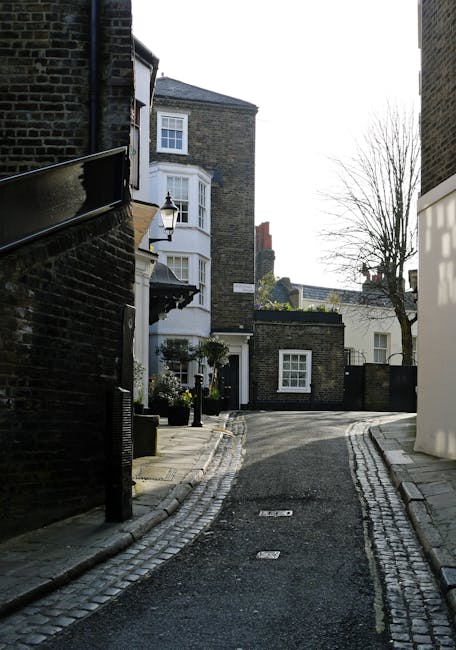
Cleaning a garden flat in Hampstead sounds straightforward until you meet the real-world bits: a narrow side passage, a basement entrance with a stubborn gate, a steep stairwell, parking that disappears by mid-morning, and a back garden that only exists on paper unless someone shows you how to reach it. That is the heart of Access challenges for Hampstead garden flats cleaning. It is not just about getting a cleaner through the door. It is about making sure the job can be done safely, efficiently, and without damage to the flat, the common areas, or your schedule.
If you live in, manage, or rent out a garden flat in Hampstead, access planning matters more than people expect. A few minutes of preparation can save a lot of awkward shuffling later. And to be fair, there is nothing glamorous about carrying cleaning equipment up a tight staircase while trying not to nick the walls. This guide breaks down what causes access issues, how professionals work around them, what good preparation looks like, and the small details that make the difference between a smooth visit and a frustrating one.
Why access challenges for Hampstead garden flats cleaning matters
Garden flats are often lovely to work in, but they rarely offer the same easy access you get in a modern ground-floor apartment block. You may have split-level layouts, narrow hallways, basement stairs, shared entrances, low railings, sash windows, side return access, or a rear entrance that is only reachable through a communal corridor. Each one affects how a cleaner moves equipment, protects surfaces, and completes the work without delays.
Why does that matter so much? Because access problems influence almost every part of the visit: arrival time, equipment choice, setup, drying, and the final finish. If a cleaner has to walk repeatedly between a van and the flat through an awkward route, the job naturally takes longer. If they cannot park nearby, heavier lifting becomes more of a factor. If there is nowhere sensible to place hoses, vacuums, or protective sheets, the risk of scuffs and spills rises. It is not dramatic. It is just the practical reality.
In a leafy part of north-west London, that can be especially relevant. Older conversions and period properties often come with quirks. A tiny threshold here, a communal hallway there, and suddenly a simple carpet clean becomes a bit of a puzzle. The good news is that puzzles can be solved when they are understood early.
How access challenges for Hampstead garden flats cleaning works
The cleaning process itself usually stays the same, but the route into the property, the equipment carried in, and the order of work may need to change. In practical terms, a professional cleaner will normally look at the property layout before arrival or at least ask the right questions in advance.
That might include things like:
- Whether the flat is at ground level, basement level, or part of a converted house
- How wide the front, side, or rear access points are
- Whether there are stairs, lifts, or split-level landings
- If parking is available close by or if loading needs to be planned carefully
- Whether water, electricity, and ventilation are easy to reach
- Whether there are shared spaces that need extra care or permission
Once the visit starts, the cleaner may adjust the sequence. For example, in a property with tight access, delicate items might be moved first so routes are clear. Portable equipment may be brought in smaller loads. In some homes, it is smarter to clean one room at a time rather than set up across the whole flat. That is the sort of thing people do not always notice, but it makes the day run far more smoothly.
If the job involves more than carpets, access becomes even more important. Upholstery cleaning, rug cleaning, or curtain cleaning can mean moving items through narrow spaces without snagging fabric or marking walls. If you want a sense of the kinds of tasks that may be affected, the relevant service pages such as carpet cleaning, upholstery cleaning, and rug cleaning show how different materials and room layouts can call for slightly different handling.
Key benefits and practical advantages
Good access planning is not just about making life easier for the cleaner. It directly benefits you, especially if you value a tidy finish and minimal disruption. Here is what you gain when the access side is handled well.
- Less disruption: Clear routes mean less time spent moving equipment around the property.
- Lower risk of damage: Narrow hallways and old paintwork stay safer when the route is planned in advance.
- Faster turnaround: The cleaner can start on the actual work sooner, instead of solving access problems on the doorstep.
- Better results: Energy can go into the cleaning itself, not into fighting with the layout.
- More accurate quotes: Access details help avoid surprises later, which is useful for everyone involved.
There is also a quieter benefit: peace of mind. If you know your garden flat is a bit awkward, being upfront about it removes that low-level stress of wondering, "Will this be a problem on the day?" Usually, it will not be a problem if the job has been planned properly. Truth be told, most issues become manageable as soon as they are named clearly.
For properties that need stain-focused work, access can affect how quickly treatment starts and whether a problem area can be reached without moving half the room. That is one reason specialised services like stain removal and pet stain and odour removal often benefit from a short pre-visit discussion.
Who this is for and when it makes sense
This topic matters to more people than you might think. It is not only for homeowners who live in a basement flat with a tricky side return. It also applies to tenants, landlords, letting agents, and property managers who need a clean done without unnecessary friction.
You will find it especially relevant if:
- Your garden flat has a rear entrance through a shared path or courtyard
- The property includes stairs, steps, or split-level access
- Parking is limited and unloading equipment is awkward
- The flat contains fitted furnishings or fragile surfaces that limit movement
- You are arranging regular maintenance, end-of-tenancy cleaning, or a one-off deep clean
It also makes sense if you are balancing speed with care. For example, a landlord might want the flat prepared for new occupants quickly, but a rushed, poorly planned entry route can lead to scuffed skirting boards or delays that are far more expensive in the long run. The same goes for commercial-style letting arrangements in converted houses where multiple people need access at different times. If you are dealing with that sort of property, you may also find commercial carpet cleaning helpful for understanding how access planning shifts when the footprint gets more complex.
And if you are worried this all sounds a bit overthought, well, it often is better to overthink access for five minutes than to underthink it for the rest of the afternoon.
Step-by-step guidance
Here is a practical way to manage access challenges for Hampstead garden flats cleaning without turning it into a big production.
- Map the route in advance. Walk the cleaner's likely route from the entrance to the main work area. Notice the door widths, stairs, low ceilings, tight turns, and anything that could snag or knock.
- Flag parking and unloading details. If the nearest place to stop is a short walk away, say so early. Even a small difference in distance can affect setup time.
- Clear the entry path. Move shoes, umbrellas, prams, plant pots, and any "temporary" clutter that has somehow lived there for six months. We have all seen that corner.
- Protect shared spaces if needed. If the route passes through a communal hallway or stairwell, ask whether mats, corner guards, or coverings are sensible.
- Confirm power and water access. A cleaner needs to know where to connect equipment and whether sockets are easy to reach.
- Identify fragile items. Glass tables, antique sideboards, framed art, and soft furnishings should be mentioned before the visit, not after.
- Agree the order of rooms. In a constrained flat, it can help to start with the hardest room first while the cleaner has maximum energy and the route is clear.
- Build in drying and ventilation time. Access is not finished when the machine stops. A decent airflow plan matters too.
That sequence sounds simple, and it is. But simple does not mean unimportant. A lot of access issues are really communication issues wearing a different hat.
Expert tips for better results
Here is where the small details pay off. In our experience, the smoother jobs are usually the ones where someone took five minutes to think like a cleaner, not just like a resident. That one shift changes everything.
Be specific, not vague
Instead of saying the access is "a bit awkward," explain what that means. Is there a narrow stair? A heavy gate? A long rear path? A locked communal door? Specific information helps the cleaner bring the right kit and plan the job properly.
Choose the right time of day
Morning jobs are sometimes easier in busy residential streets because loading and parking can be less crowded. That is not a universal rule, but it is often worth asking about. A quieter window can make a surprising difference.
Keep the route as dry and clear as possible
Rainy weather, wet leaves, and muddy side passages can turn a neat access route into a mess. A quick sweep or a couple of temporary mats can reduce tracking dirt into the flat. Small thing, big result.
Ask about equipment size
Not every machine is ideal for every property. In tighter homes, portable equipment or a more compact setup may be more practical than heavier machinery. If your job includes steam carpet cleaning, this becomes even more relevant because setup and hose routing can affect access.
Think in terms of movement, not just rooms
A property can look easy on a floorplan and still be awkward in real life. The issue is often movement: carrying a vacuum around a corner, turning a carpet cleaner at the top of stairs, or manoeuvring a sofa past a radiator. That is where experience matters. A good cleaner sees the route, not just the room.
Common mistakes to avoid
Access issues usually get worse because of small avoidable mistakes. Nothing wild. Just everyday oversights that stack up.
- Waiting until arrival to mention the obstacle. If there is a locked gate, say so before the van arrives.
- Assuming the cleaner will "just manage." Sometimes they will. Sometimes they will waste time solving problems that could have been prevented.
- Leaving the route cluttered. Shoes, boxes, wet laundry, and garden furniture in the way create avoidable delays.
- Ignoring shared access rules. Communal hallways, neighbours, and building managers may have their own expectations.
- Forgetting about post-clean access. You need a sensible path for drying, inspection, and moving items back.
- Booking multiple services without checking sequence. For example, carpet cleaning and sofa cleaning may be easier if one happens before the other.
One funny little truth: people often tidy the visible room and forget the access path that actually gets the cleaner there. Human nature, really.
Tools, resources and recommendations
You do not need fancy equipment to solve access problems. A few practical items and good habits will do most of the work.
| Tool or approach | What it helps with | When to use it |
|---|---|---|
| Door stops | Keeping access doors open while equipment is moved | When there are repeated trips between van and flat |
| Floor protection or mats | Reducing dirt transfer and protecting shared flooring | Useful in wet weather or communal hallways |
| Clear labels or notes | Identifying access instructions for cleaners or tenants | Helpful for managed properties and repeat bookings |
| Pre-visit photos | Showing stairs, gates, and tight turns clearly | Best for awkward layouts or rented homes |
| Room-by-room planning | Keeping the route short and reducing disruption | Ideal for compact flats with limited circulation space |
If you are comparing service providers, it also helps to look at practical trust pages rather than just the service headline. For example, a provider's approach to health and safety, insurance and safety, and accessibility tells you a lot about how they handle awkward properties and shared spaces. That is often more revealing than a glossy promise.
If you are arranging multiple treatments, it can also be useful to understand related services such as sofa cleaning, mattress cleaning, and curtain cleaning, because each one can create a slightly different access requirement. A mattress up a tight staircase is one thing. A two-seat sofa around a bend is another. You get the idea.
Law, compliance and best practice
For most homeowners, access planning is mainly a practical matter. Still, there are a few UK best-practice considerations worth keeping in mind, especially in flats, converted buildings, and shared residential settings.
First, any work that involves moving equipment through communal areas should be handled with care. That means avoiding obstructions, protecting surfaces where appropriate, and respecting building rules. If you live in a managed block or a conversion with shared halls, it is wise to check what the leaseholder, managing agent, or building manager expects. Nothing complicated. Just common sense and courtesy.
Second, cleaners should work safely and not force access where the route is obviously unsuitable. Narrow stairs, awkward landings, or slippery exterior paths can create avoidable risks. A careful provider will normally adjust method, timing, or equipment rather than push through and hope for the best.
Third, clear communication supports better compliance with privacy and safety expectations. If a cleaner needs to enter through a rear passage, side gate, or communal corridor, the instructions should be straightforward and agreed in advance. The same principle applies to payment, booking terms, and service expectations. If you want to review those details, the site's terms and conditions, payment and security, and privacy policy are sensible reference points.
Finally, if access problems create a complaint or service issue, a clear complaints route is part of good practice. No one enjoys needing it, obviously, but it is reassuring that a process exists. That sort of thing builds trust.
Options and method comparison
Not every garden flat needs the same access strategy. The right approach depends on how restrictive the property is and how much equipment needs to move in and out.
| Access approach | Best for | Pros | Limitations |
|---|---|---|---|
| Direct front-door access | Flats with simple street entry and clear indoor route | Fast setup, low disruption, easier loading | Not always available in older Hampstead properties |
| Side or rear access | Garden flats with private or semi-private external routes | Can reduce disturbance in the main hallway | May involve gates, steps, or weather exposure |
| Communal access route | Converted houses and managed buildings | Often straightforward once permissions are clear | Needs careful respect for shared areas and neighbours |
| Room-by-room carry-in setup | Tight flats with limited manoeuvring space | Safer for furniture and walls | Can take longer, so it needs better time planning |
For many homes, a mixed approach works best. The cleaner enters through the simplest route available, sets up close to the work area, and keeps movement to a minimum. That is usually the sweet spot.
Case study example
Picture a garden flat in a converted Victorian house. The property has a front entrance used by the main building, but the flat itself is reached via a side passage and a short set of steps. The hallway is narrow, the rear gate is a bit heavy, and there is a low shelf near the entrance that always seems to catch coat sleeves. Nothing impossible, just fiddly.
The resident wants carpets cleaned in the lounge and bedroom, plus a rug in the hallway and a sofa in the sitting room. Rather than wait until the appointment day, they send a quick description of the access route and a couple of photos. The cleaner arrives knowing there is limited turning space and brings a more compact setup. The team moves through the route once, protects the tightest corner, and works room by room so there is less back-and-forth.
What changed? Not the flat. The planning.
Because access was discussed early, the job stayed calm and efficient. There was no surprise about the gate, no awkward pause with a machine stuck halfway down a narrow hall, and no need to improvise with furniture moving on the spot. A slightly boring process, maybe. But boring is good when it means the day goes smoothly.
That same principle applies whether you are booking a standard clean, dealing with stubborn marks, or arranging a more specialist job like pet stain and odour removal. If the cleaner knows what is waiting at the door, they can focus on the work itself.
Practical checklist
Use this before the appointment. It is simple, but it covers the things that get forgotten most often.
- Confirm the exact entrance to use
- Check whether there are stairs, gates, or narrow turns
- Make sure parking or unloading is understood
- Clear shoes, bags, and loose clutter from the access path
- Move fragile items away from corners and doorways
- Share any communal building instructions
- Check where electricity and water can be accessed
- Discuss which rooms or items are being cleaned first
- Allow room for ventilation and drying afterwards
- Keep a phone nearby in case entry instructions need to be clarified
If you tick all that off, you are already ahead of most rushed bookings. Honestly, that is half the battle.
Conclusion
Access challenges for Hampstead garden flats cleaning are not a sign that the job will be difficult. They are simply a reminder that older and more characterful properties need a bit of planning. Once the route, parking, entry points, and room layout are understood, the actual cleaning becomes much more straightforward.
The biggest wins usually come from the smallest habits: clear communication, a tidy access route, realistic timing, and a cleaner who understands how to work around tight spaces without fuss. That combination protects your home, saves time, and keeps the whole visit feeling manageable rather than stressful.
If your flat has a tricky entrance, that does not have to be a problem. It just needs a practical plan and a calm approach.
Get a free quote today and see how much you can save.
Frequently Asked Questions
What are the most common access challenges in Hampstead garden flats?
The most common issues are narrow hallways, basement stairs, side-gate entry, limited parking, communal corridors, and tight room layouts. Older conversions often add extra quirks, so it helps to describe the route before the appointment.
Do I need to tell the cleaner about parking restrictions?
Yes, absolutely. Parking can affect arrival time, unloading, and how much equipment can be brought in at once. Even if the walk is only a short one, it is better for the cleaner to know in advance.
Can cleaning still be done if the access is very narrow?
Usually, yes. The method may need to change, though. A cleaner may use more portable equipment, adjust the order of rooms, or take extra care with furniture movement and floor protection.
Should I move furniture before the cleaner arrives?
If it is safe and practical to do so, yes. At the very least, clear the path into the main work areas. If anything is heavy, awkward, or valuable, mention it in advance rather than shifting it yourself and risking damage.
How do access issues affect the time needed for cleaning?
They can add setup time and make movement between rooms slower. A job in a compact garden flat might still be quick, but awkward access usually means a little extra time should be allowed for. Better to be realistic from the start.
Is it worth sending photos before the visit?
Yes, photos are often very helpful. A couple of clear images of stairs, gates, hallways, and the main rooms can tell a cleaner far more than a vague description. They are especially useful for older properties.
What if my garden flat has shared access with neighbours?
Then it is important to be considerate about timing, noise, and use of shared spaces. Cleaners should avoid blocking hallways or leaving equipment in communal areas for longer than necessary.
Can access issues change the price?
Sometimes they can, especially if they require extra time, difficult parking arrangements, or unusually careful handling. It depends on the property and the scope of the work, so a clear quote is the best way to avoid confusion.
What should I ask before booking a cleaner for a tricky flat?
Ask how they handle narrow access, whether they need parking nearby, what equipment they use, and whether they are used to flats with stairs or rear entrances. Those questions are practical, not fussy.
Are specialist services affected by access more than standard carpet cleaning?
Often, yes. Services such as upholstery cleaning, rug cleaning, steam carpet cleaning, and stain removal may involve moving equipment or furniture through tighter spaces, so access planning becomes even more important.
How can I make the visit easier on the day?
Keep the access route clear, unlock gates or doors beforehand if possible, and make sure the cleaner knows exactly which entrance to use. A few simple steps can prevent most of the common delays.
Where can I find more information about service standards and trust details?
It helps to review practical pages such as the company's about page, accessibility information, health and safety policy, and pricing details. Those pages give a better sense of how the service is run and what to expect from a professional visit.